
Scared of Strategy
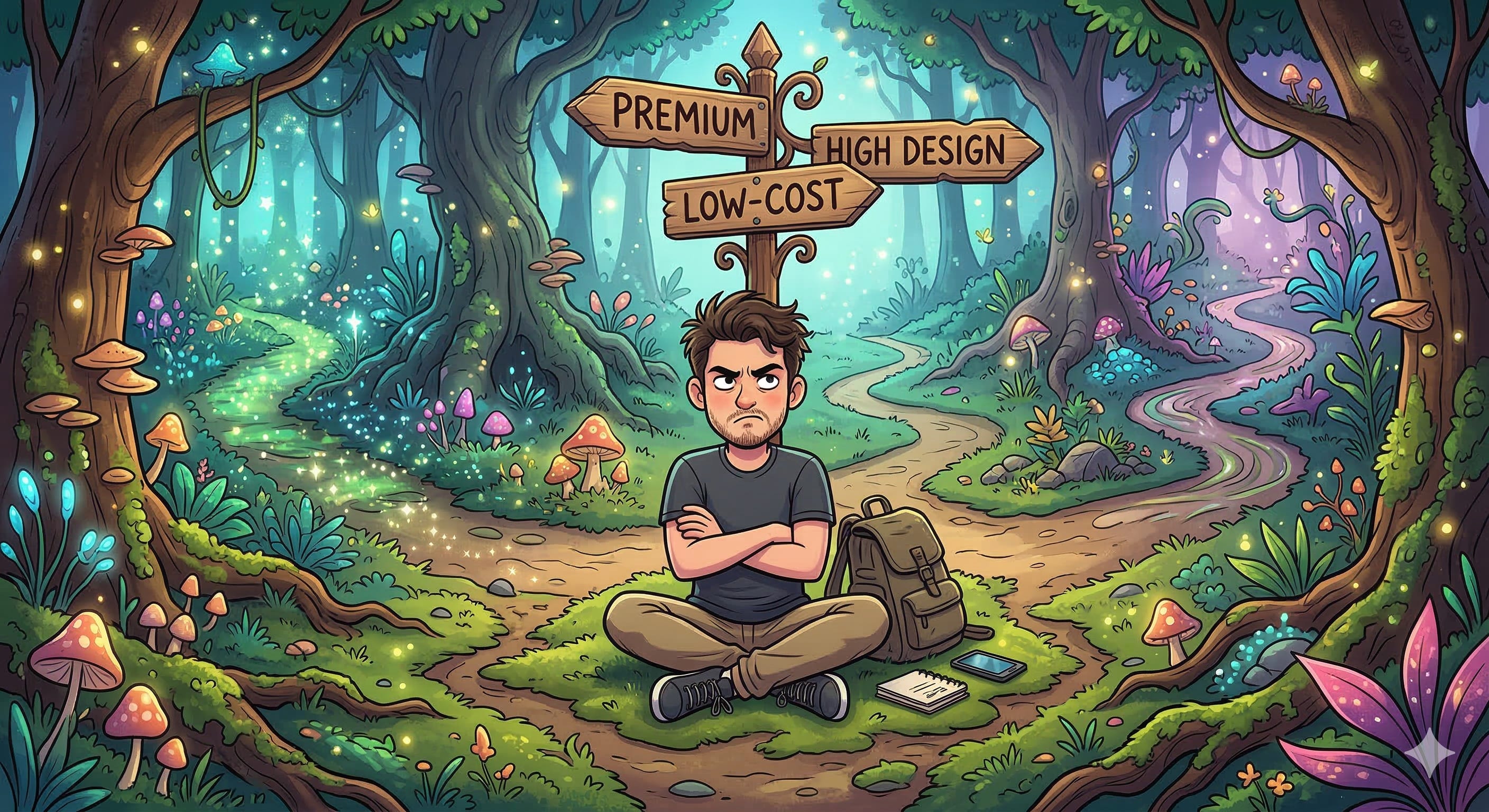
Choosing among the universe of possible options is scary. Every choice involves saying no to some possibility. But without clear choices, there is no strategy.

Most organizations have no strategy. That probably sounds like a huge exaggeration. I promise you, it is not.
I don’t mean that they lack goals. Usually, they have lots of targets, projects, and even metrics. But they haven’t made the choices that would evidence a strategy.
A friend of mine, Nigel, is a dentist. He was drowning in callbacks. Patients would call the front desk asking for something specific—a prescription refill, a referral, a question about whether a symptom warranted a visit—and his staff, rather than making a judgment call, would simply take a message.
Every one of those messages landed back on Nigel’s desk. He’d return the calls at the end of the day and find that nine out of ten required an appointment—which the front desk could have scheduled in the first place.
The passive response wasn’t malicious. But his staff defaulted to the safest possible action: take a message and let someone else decide.
I showed him Contextuum, the platform I built, and he tried the demo.
The demo walks through a simulation—in this case, a Trader Joe’s store manager. While playing the role of the manager, he was forced to make real strategic choices in detailed scenarios. The only way to win in the demo is to make the right decisions—based on the understanding of who the customer is, what the company stands for, and “how we do things”.
Nigel started it and got engrossed. This, he said, was exactly what his staff needed. If they understood the practice’s strategy at that level of specificity—if they knew what the practice stood for and who it served—as well as what he valued most—they’d stop defaulting to passivity and start making the right calls.
He was so energized that he sat down right then to input his own strategy so the team could use it.
And then everything stopped.
No Way Out
The first real question was confounding: Who was his target patient? Was his practice premium or low-cost? He couldn’t choose. He wanted to signal clinical excellence but not exclude patients on cost. He wanted to attract complex, high-value cases but keep his average, cost-conscious, family patients.
Every time a new choice appeared on the screen, he found a reason that both alternatives were critical.
Conceptually, Nigel understood exactly why the choices mattered—he had just participated in the Trader Joe’s simulation. But he couldn’t seem to do it himself. Each choice felt like he was discarding opportunity—irrevocably closing a door.
Eventually he logged out. When we spoke soon after this he told me what had happened.
“The platform just isn’t for me. The choices are impossible.”
Not for the Feint of Heart
Nigel was right to walk away if he couldn’t let go of the options. Strategy demands making those hard choices, and it’s not easy for anyone. But without it, there is no operating context to guide action.
Nigel’s team wasn’t lazy or indecisive. And they didn’t need a training tool. They were defaulting to passing the buck because Nigel had never made the choices that would guide them.
Your team can’t use a framework that you haven’t built.
When we undertake crafting a strategy, we are committing to choose between lots of compelling options. And every choice involves a trade-off.
Posturing is the Norm
Nigel was unusual in admitting his deep fear of making those choices. Most business leaders disguise their unwillingness, even from themselves. They claim to have a strategy while saying yes to everything: unfamiliar verticals, customers they can’t support, delivery channels that are completely alien to their model, partners who expect them to transform beyond recognition.
The choices that define strategy are scary because they close doors. But closing those doors is how you gain the focus and specificity to own a category.
Whether you choose to sell to small business or enterprise, to retail customers or wholesale distributors, to be self-serve or high touch—these decisions determine where you invest, who you hire, and how you refine your offerings. They are not details. They are the strategy.
Choosing nothing means choosing everything. And that means choosing mediocrity and obscurity.
Even though strategy is scary, a lack of strategy produces much more frightening consequences.